


Kyiv During War: 7 Places That Prove Ukraine’s Resilience
If you’ve followed the Kyiv war news from afar, you might think the city is defined entirely by air raid alerts, missile attack maps, and casualty reports. And yes, those are part of life here. But if you step onto its streets, you quickly notice something the headlines miss: Kyiv is alive. Cafés are full, theater tickets sell out in minutes, volunteers are busy, and ancient landmarks stand in the same spots they have for centuries. The city carries its scars openly, yet moves forward every day.
Kyiv During War: 7 Places That Prove Ukraine’s Resilience
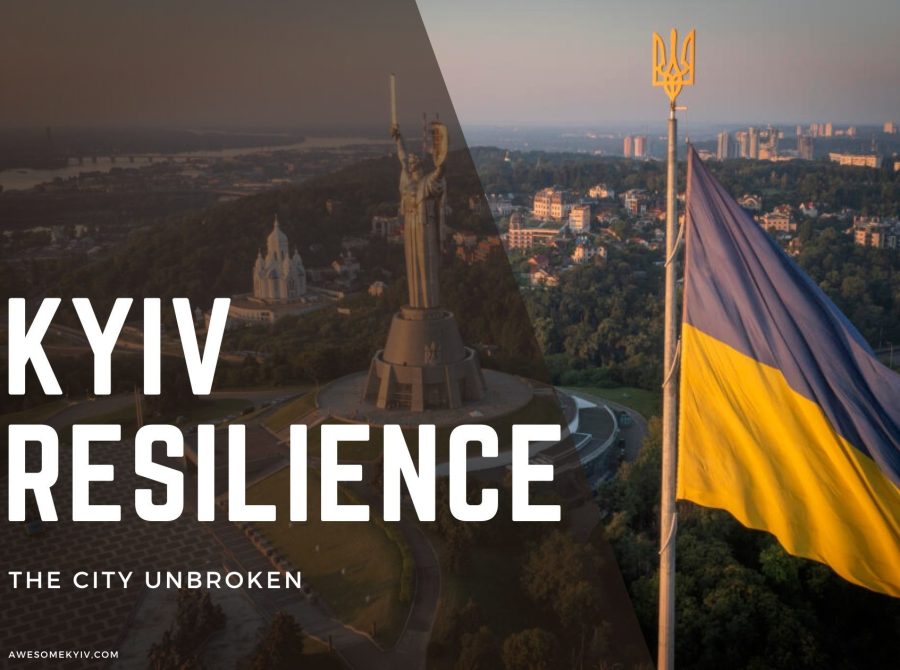
Resilience here is not an abstract idea — it’s something you can see, touch, and walk through. It’s built into squares, cathedrals, metro tunnels, and even coffee shops. Each of these places tells a piece of the Ukraine war timeline and shows that despite missile attacks on Kyiv and constant threats, life here is stubbornly, beautifully persistent.
Kyiv Maidan – The Square That Remembers
When I bring guests to Maidan, I tell them this is not just a postcard view of Kyiv. This square has been the stage for moments when Ukraine decided its own fate: the Orange Revolution in 2004, the Revolution of Dignity in 2013 and 2014. In those winters it was barricades, bonfires, tents, and people refusing to move even when riot police charged. Many never returned home, and their faces still look at you from the photographs along the Heavenly Hundred alley.
Since 2022, Maidan has also become a place where people honor Ukrainian soldiers killed by russia during the full scale invasion. When we stop here I usually give guests time to walk slowly, to read the names, to see the flowers and candles that never seem to fade. Some visitors bring their own flowers, others just stand quietly, both are welcome.
For many, this is the emotional heart of the tour. It is not just about looking, it is about understanding that Kyiv’s fight for freedom is not only history. It is happening now.
Kyiv Metro – Shelter Beneath the City
The Kyiv metro is one of the deepest in the world, built not only for transport but also to protect people during times of danger. Some stations are buried so far underground that the escalator ride feels endless. When the full scale invasion began in 2022, those deep stations became temporary homes for thousands.
Families brought mattresses, sleeping bags, and whatever belongings they could carry. Dogs and cats curled up beside their owners, children played with toys on the platforms, and volunteers walked through the tunnels with tea, biscuits, and power banks. In those first weeks, life moved underground. People slept, worked, and tried to keep some routine while the missile attack Kyiv alerts echoed above.


Even now, during air alerts Ukraine, many head straight for the metro. Inside, it feels calmer than you might expect. People read, scroll through their phones, or chat quietly until the all clear is given.
On my Kyiv Metro Tour, we explore both the beauty and the hidden history of this system. You will see Soviet-era mosaics, grand chandeliers, and modern designs, but also hear the stories of how these stations became lifelines in 2022. I share what daily life underground was really like and why the metro remains an essential part of the city’s resilience.
Saint Michael’s Golden-Domed Cathedral – A Refuge and a Witness
The golden domes of St. Michael’s Cathedral are among the most recognisable sights in Kyiv. Standing bright against the skyline, the monastery has seen destruction and revival. The Soviets demolished the original cathedral in the 1930s, and for decades the hill stood empty of its blue walls and golden roofs. In the 1990s, after Ukraine regained independence, the complex was rebuilt to its historic form, returning a landmark that many thought was gone forever.
During the Revolution of Dignity in 2014, St. Michael’s became a place of refuge. Protesters found shelter here, monks treated the wounded, and the bells rang to warn the city. This was something that had not happened since the Mongol invasion many centuries ago.
Nearby, in the square, you can see captured russian military machinery from the full scale invasion that began in 2022. Burned and twisted, these tanks and armored vehicles are a stark reminder that the war is not just history. They stand in the open air where anyone can walk up, take a closer look, and see the reality of the fighting that has touched every part of Ukraine.
St. Sophia’s Cathedral – A Thousand Years of Survival
St. Sophia’s Cathedral is one of the most iconic Kyiv tourist attractions and a masterpiece of Kyiv cultural heritage. Built in the 11th century, it has survived the Mongol invasion, foreign occupation, world wars, and Soviet attempts to erase it from the skyline. Today it stands as a UNESCO World Heritage site and one of the most important Kyiv historical sites for anyone interested in Ukraine war history and the city’s centuries-old story of survival.
When I bring guests here, I always suggest stopping outside the gates before entering. From there you can take in the full view of the white walls, green domes, and golden crosses shining above the city. Inside the complex, the cathedral’s ancient mosaics and frescoes glow softly in the filtered light, their colours preserved for nearly a thousand years. It is hard to believe that something so delicate has endured so many wars and political upheavals.

During the war, St. Sophia has not been damaged, but locals know there is always a risk. Other cultural landmarks in Ukraine have already been hit, and everyone here understands that nothing is completely safe.
For anyone exploring life in Kyiv 2025, I recommend taking a slow walk around the grounds, listening to the bells if they ring, and imagining all the generations who have stood here before. St. Sophia is not just an architectural wonder, it is a living symbol of Ukraine resilience and the strength of a city that refuses to fall.
Ivan Franko Theater – Culture as Resistance
The Ivan Franko Theater is one of the most important Kyiv cultural landmarks and a symbol of the city’s performing arts. Located in the heart of the capital, it has been part of Kyiv’s cultural life for over a century and is now a key example of Kyiv resilience during the war.
When the full scale invasion began, many expected theaters in Kyiv to close. Instead, most of them, including the Ivan Franko Theater, the Lesya Ukrainka Theater, and the Kyiv Academic Drama Theater on Podil, stayed open. This was a powerful message that Kyiv cultural revival would continue even under missile attacks and air alerts. New plays appeared that reflected life in Kyiv during war, telling stories of separation, hope, and courage.
The demand for theater has only grown. In 2024, when tickets for Konotop Witch by Ivan Uryvsky were released at the Ivan Franko Theater, they sold out within minutes. People queued outside from 5 am, right after the curfew ended, just to secure a ticket. For many, it was not only about seeing a performance but about being part of a cultural moment that the whole city was talking about.


If an air alert begins during a performance, the spectacle stops immediately and the audience is directed to the nearby metro station, which serves as a bomb shelter. People wait there until the all clear is given, and only then does the play continue. For visitors following the Kyiv war news, it is striking to see how cultural life adapts without stopping, even during missile threats.
For travelers looking for things to do in Kyiv 2025, these theaters offer much more than entertainment. They are places where you can witness Ukraine resilience in action, feel the atmosphere of the Kyiv performing arts scene, and connect with locals through a shared cultural experience.
Volunteer Hubs in Kyiv During War
In every corner of Kyiv, there are volunteer hubs keeping the city moving. These are not just official offices with signs on the door. They are tucked away in back rooms of cafés, in apartments, in unused office spaces. Here, people work every day to support the army, deliver humanitarian aid, and help those displaced by the war.
Even short-term visitors can take part in Ukraine war support efforts. You can bring small but needed items from abroad, make a donation, or spend an hour packing aid boxes. Locals will always appreciate the help, and you will leave with a better understanding of what Kyiv during war really means — that resilience is not just in monuments and theaters, but also in these small, hidden rooms where people quietly work to keep the country going.
Some of the most active Kyiv volunteer groups include the Leleka Foundation, which focuses on medical supplies for frontline hospitals, and the Pechersk Kitties, a community known for its very hands-on approach. One of their main areas of work is helping low-mobility residents of the district with grocery packages and hot meal deliveries. They also make ghillie suits and camouflage clothing for the military, as well as seasonal trench candles for soldiers on the front lines.

Even short-term visitors can take part in Ukraine war support efforts. You can bring small but needed items from abroad, make a donation, or spend an hour packing aid boxes. Locals will always appreciate the help, and you will leave with a better understanding of what Kyiv during war really means — that resilience is not just in monuments and theaters, but also in these small, hidden rooms where people quietly work to keep the country going.
Cafés in Kyiv During War – Coffee, Community, and Resilience
Ukrainians joke that if a crater from a rocket remains in place for more than a week, a barbershop or a café will soon appear there. It is dark humor, but it captures the spirit of life in Kyiv during war — the determination to rebuild, reopen, and carry on, even if the walls are still warm from repairs.
Kyiv has always been a city of coffee lovers, and in 2025 that has not changed. What has changed is how cafés operate during wartime. When drone attacks on Kyiv shattered windows, owners taped them up and reopened the next day. During long blackouts, many ran on generators, providing a warm, well-lit space where people could work, meet friends, and charge their devices.
These cafés became informal community hubs. Journalists wrote their reports here, soldiers on leave met old friends, and students worked on assignments while keeping one ear on their air alert apps. Even when the siren sounded, people often stayed until it was time to move to shelter, taking their coffee with them.
Some cafés in Kyiv have replaced furniture and glass more than once after missile attacks, yet the quality of the cappuccinos and flat whites never changes. In this city, we take our coffee seriously, and even in wartime every cup is made with care.
For visitors looking for things to do in Kyiv beyond the usual tourist attractions, spending time in one of these cafés is a simple but powerful way to experience the city’s resilience. Some rituals, like a perfect coffee, remain unchanged.
Resilient Kyiv: Best Places to Visit in Ukraine’s Capital During Wartime
Kyiv is more than a city on the map. It’s a place that refuses to stop living. From golden domes to buzzing cafés, from underground shelters to hidden backyards, every corner has a story worth hearing.
Walk these streets with me, explore the courtyards locals love, and see the resilience for yourself.
Book your Awesome Kyiv tour – as awesome as you are.
And if you want to keep learning about Kyiv’s life, events and curious facts, subscribe to my Telegram channel.