


Is Kyiv Safe to Travel in 2025? – Local Insights, Safety Tips & Walking Tours
If you’ve Googled “is Kyiv safe 2025,” welcome. You’re not the only one asking. Yes, Russia still attacks Ukraine, including Kyiv. Yes, missiles and drones are launched often over the last few months, especially at night. And no, it’s not exactly “business as usual.”
Is Kyiv Safe to Travel in 2025? – Local Insights, Safety Tips & Walking Tours
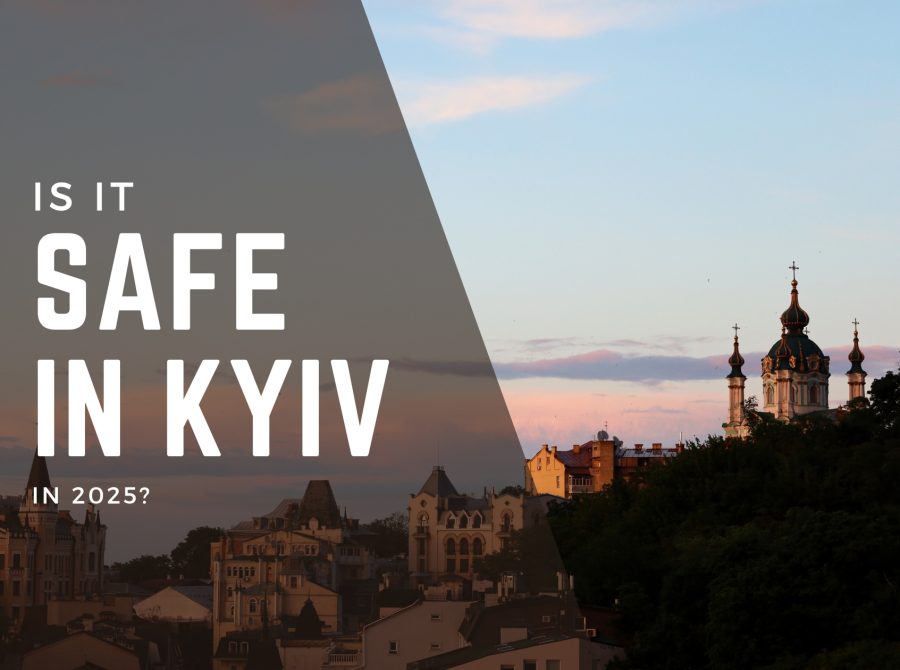
But here’s the twist. People still go to theaters, work out at gyms, sip wine in cafés, and book walking tours. Life didn’t stop. It adapted.
So let’s break this down honestly. Kyiv is not risk-free. It is alert, organized, and still full of life.
Air Alerts Are Real (And Loud)
If you’re wondering why “air alerts Kyiv today” shows up in your search history, it’s because they happen almost every day. Especially at night. These alerts are triggered by incoming Russian drones or missiles. Over the past three months, their frequency has noticeably increased.
Sirens blare through the city.
You might be woken up at 3:13 in the morning.
If you’re outside, you’re expected to move to shelter. But locals do not always go, as you know, it’s been 3,5 years of the war already and we are slightly (or, to be correct, very tired).
Most locals use apps like Air Alert to get official warnings. But we mostly rely on Telegram channels that publish real-time updates from air defense observers. These reports often include the directions and districts where drones are flying or missiles are expected to hit. This helps people assess whether the threat is close or likely to pass.
Some types of alerts get less attention. For example, when a Russian MiG-31 takes off, a nationwide alert is triggered because it may launch a Kinzhal hypersonic missile. Many locals continue with their routine, even though Kyiv has been hit by Kinzhals in the past. The danger is real, but people have learned to weigh each alert themselves.
Some hotels and guides will explain shelter protocol. If you book a walking tour, your guide will know how to respond if an alert starts mid-tour. So while Kyiv safety for tourists is a legitimate concern, understanding how locals interpret these threats gives a more accurate view of what life is like here today.
You Are Responsible for Yourself
If you’re reading this, you’re probably curious, adventurous, and maybe a little nervous. Good. But let’s be clear. Visiting Ukraine is your own responsibility. There are no guarantees. There are no safe zones. No travel insurance covers war.
Ukrainians have adapted to living under air alert conditions. Most locals use Telegram channels that publish real-time information from air defense forces. These updates often include exact districts and directions of the threats, helping people decide when to take cover and when it’s safe to carry on.

Kyiv Metro During the Russian Attack on the Capital on July 3, 2025 (Photo: REUTERS/Yan Dobronosov)
At the same time, not every air alert gets the same reaction. For example, when a Russian MiG-31 takes off from deep inside Russia, the alert goes nationwide because it might launch a Kinzhal hypersonic missile. But many locals do not react at all, either because the threat feels abstract or because they have grown used to living with risk.
The danger is real, but behavior is practical. If you visit, no one will force you into a shelter – but you should know what the risks are and act accordingly.
Daily Life in Kyiv Still Goes On
I live in Kyiv, and I see it every day – the city keeps moving. Yes, there’s a war, and yes, we still get attacked. But people go to work, meet friends, visit cafés, go to the gym, take their kids to school. Most places are open, and life continues between the alerts.
I’ve been guiding tours here since before the full-scale invasion, and I’ve continued throughout. People still come, and they’re often surprised by how normal things feel. We adjust to the risks. We know where the nearest shelter is. We check the news. And we keep living.
Getting to Kyiv, Getting Around, and the Curfew
Let me explain how things work in practice.
You can still get to Kyiv in 2025, but there are no commercial flights into Ukraine. Most visitors arrive through Poland or Moldova. The most common route is flying into Warsaw, Kraków, or Rzeszów, then taking a train or bus Przemyśl to Lviv, and from there to Kyiv. Trains are safe, reliable, and still running on schedule. I recommend booking a night train from Lviv to Kyiv – it’s comfortable and practical.

Inside the city, public transport works very well. The metro, buses, and trams are clean, affordable, and frequent. You can also use Bolt or Uklon (our local Uber-style apps) to get around quickly. Mobile internet is excellent across the city, even underground at many metro stations. You’ll have no problem using maps, translation apps, or Telegram to follow air alert updates in real time.
Now about the curfew. Kyiv has a nightly curfew from midnight to 5:00 in the morning. That means no walking outside, no driving, and no late-night bars or restaurants. Everything closes before midnight, and you should be back in your hotel or apartment by then. The rule is strict, and it’s enforced (well, sometimes you can break this rule, I mean if your trash stinks, you can still go throw it out past midnight – did it, never had problems). As your guide, I always plan tours and give recommendations with the curfew in mind.
If you’re arriving late into Kyiv, make sure your train or bus arrives well before midnight, or book a hotel close to the station so you are not stuck outside during curfew hours.
What to Do in Kyiv Now
Looking for things to do in Kyiv during the war? Surprisingly, there’s a lot. Kyiv is open. Somehow. You can get your overpriced flat white or matcha, see a modern dance performance at a small experimental theater, and then go to a lecture about trauma and resilience, all before dinner. Yes, there are still air alerts. Yes, they’re serious. But no, the city does not shut down. It adapts, and life keeps going.
You won’t find big arena concerts or massive festivals right now, but Kyiv has smaller, stranger, and better things happening. You can hear a jazz trio playing in a cozy bar with great energy. Visit a food market in Podil where someone sells handmade candles, fermented tomatoes, and jars with labels written in three languages – none of them quite right. You might find an art show that looks improvised but hits harder than anything you saw in Berlin.

Kyiv museums are open, and often the ones least visited are the most rewarding. The War Museum is powerful and direct. Mystetskyi Arsenal can surprise you. The National Art Museum of Ukraine feels like a time capsule with better lighting than expected and curators who actually care. Most exhibitions now carry a quiet sense of urgency. No one says it out loud, but everything feels more meaningful than before.
Kyiv nightlife still exists. It just ends earlier. You won’t be clubbing until sunrise unless your idea of fun is drinking warm beer with two philosophers in a stairwell. Most bars close by eleven. That gives you just enough time to hear live music, argue about politics, and get home before the curfew at midnight. Public transport stops running late, but Bolt and Uklon still work if you plan ahead.
If you’re wondering what to do in Kyiv right now or whether it’s even worth coming, let me make it simple. You need to walk it. Not alone and not with a blog post from 2015, but with someone who actually lives here. I offer walking tours in Kyiv that cover both the traditional and the unusual. Golden domes and office-chair balconies. Historic churches and strange graffiti behind them. Kyiv is confusing, absurd, and unforgettable. That’s exactly why you should see it. Book a walking tour, and I’ll help you make sense of this incredible mess of a city.
And if you want to keep learning about Kyiv’s life, events and curious facts, subscribe to my Telegram channel.